
From Divine Madness to Modern Understanding
The Artistic Lives of Vincent van Gogh and Edvard Munch
“Even in the moments that should have been the most intensely happy—even then happiness shone on me merely as through a door ajar—a door that divided my dark cell from the brightly lit ballroom of life itself.”
– Edvard Munch, in a letter draft, revealing how his psychological torment remained present even in joy, separating him from what he perceived as normal human experience.

Throughout history, society has been captivated by the enigmatic connection between artistic brilliance and psychological turmoil.
This phenomenon, often termed the "Mad Artist Paradox," has transformed significantly in our collective understanding across civilizations. The concept originated in ancient Greece, where Plato described creativity as a form of "divine madness"– a state where artists were believed to be seized by supernatural forces that enabled extraordinary creative expression. This mystical interpretation persisted for centuries, with medieval societies often viewing eccentric artistic behavior as evidence of being "haunted" by otherworldly influences.
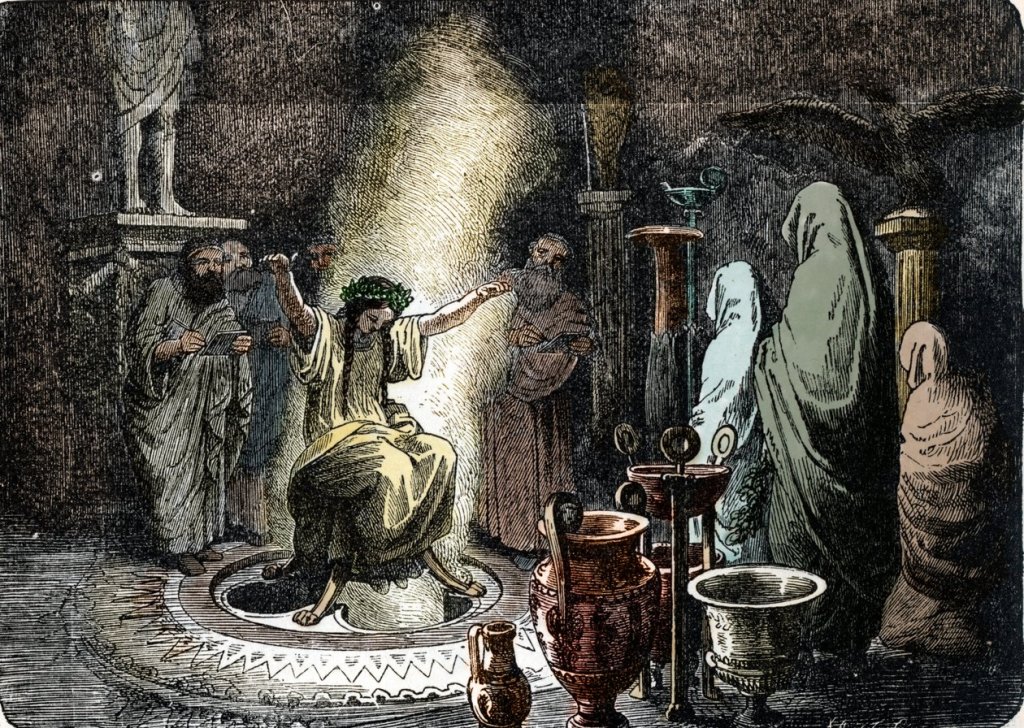
During the Renaissance, when artistic expression flourished, the term “mad genius” became part of our cultural lexicon, although it remained more associated with mysticism than with scientific understanding.
By the dawn of the 19th century, as the Romantic period embraced emotional intensity and the scientific revolution gained momentum, serious intellectual discourse began examining whether mental illness truly connected to creative genius. This period saw the emergence of artists whose lives and works would become central to this discussion– none more prominent than Vincent van Gogh, whose brilliant paintings contrasted sharply with his psychological suffering, and Edvard Munch, whose haunting work "The Scream" (1893) became an enduring symbol of internal anguish.
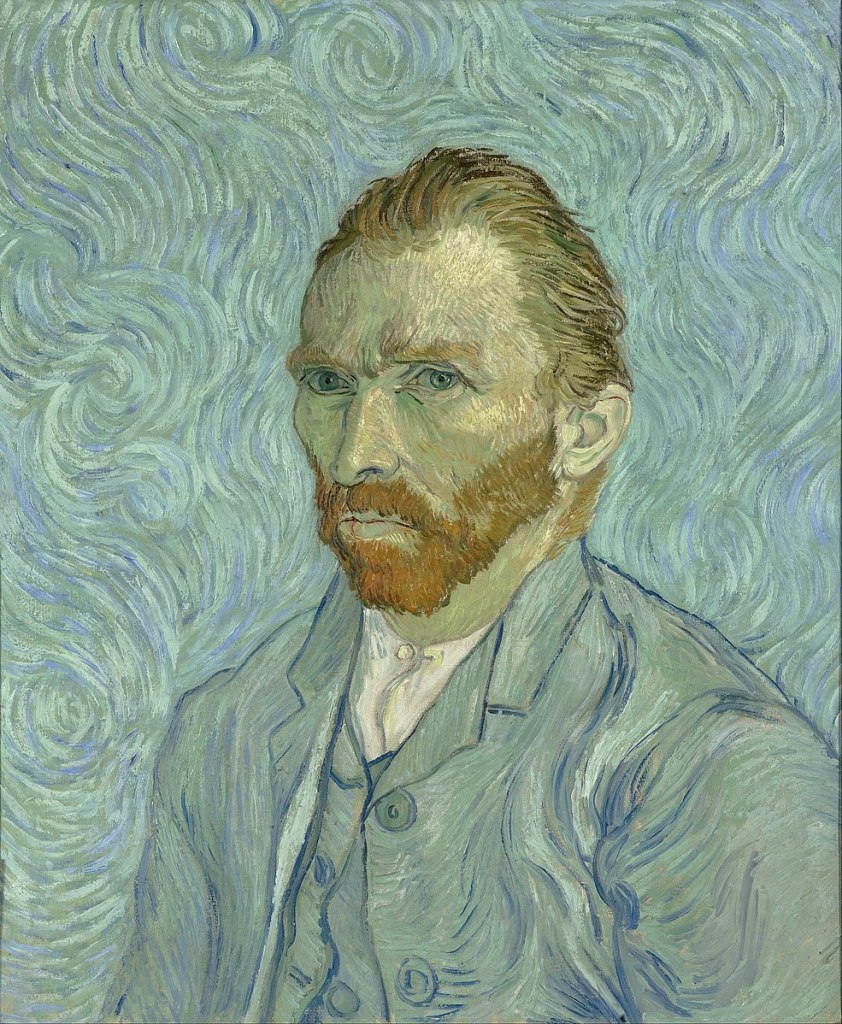
Self-portrait of Vicent van Gogh
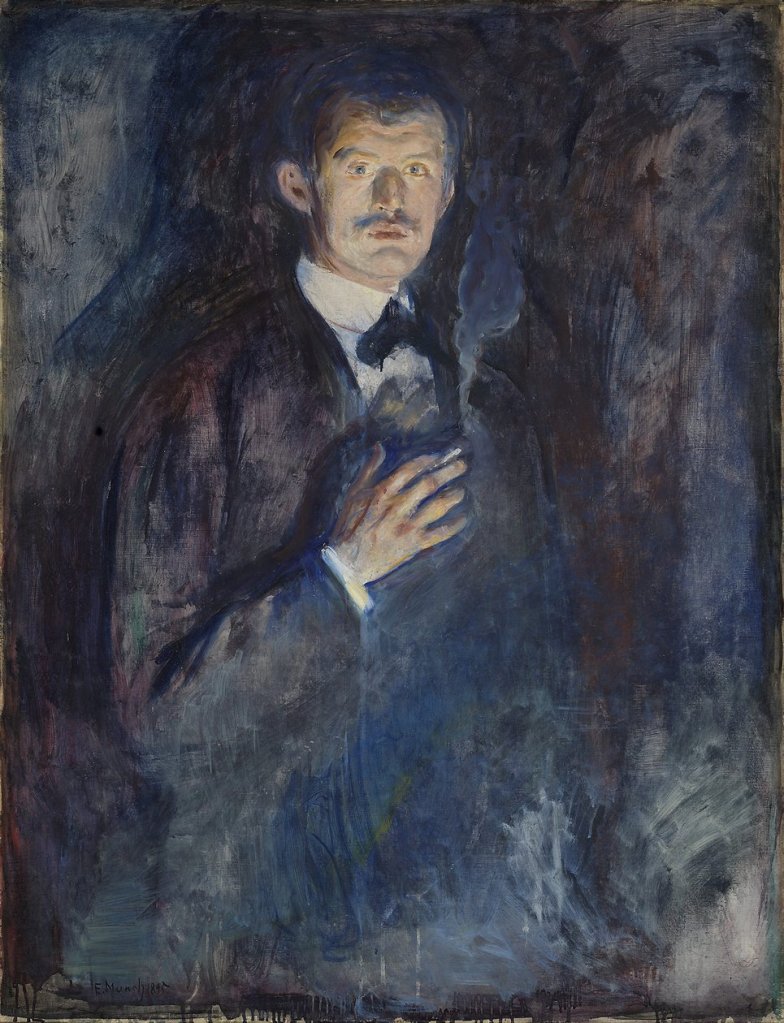
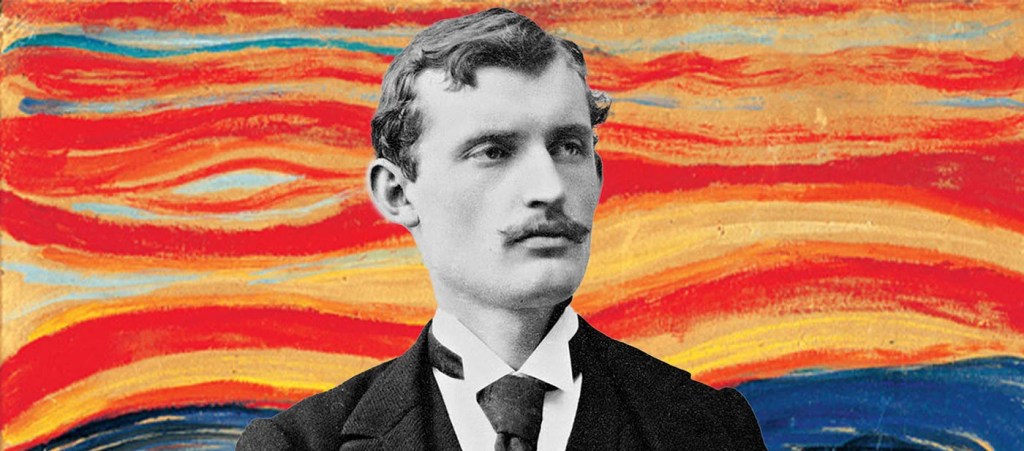
Self-portrait of Edvard Munch
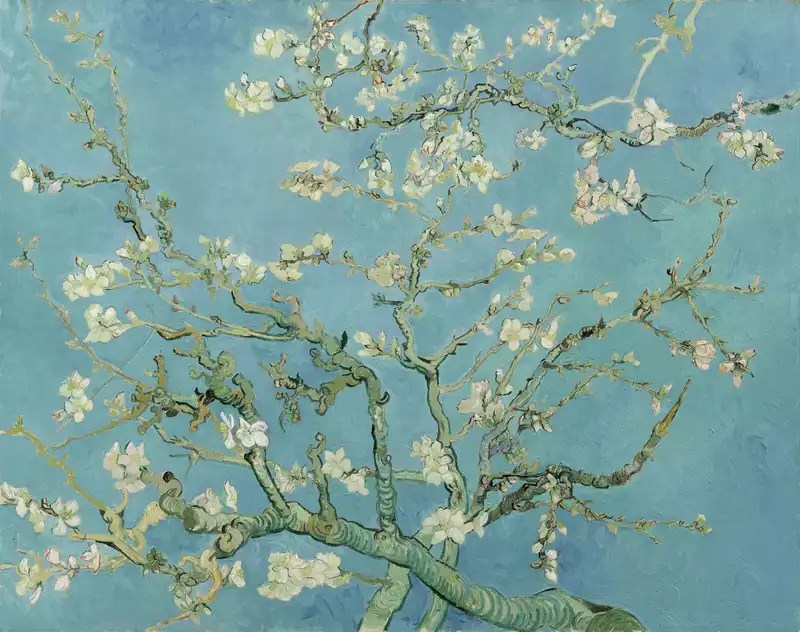
“I plow my canvases as the peasants do their fields.”
– In this simple yet profound statement, Vincent van Gogh reveals the essence of his artistic approach—one of dogged determination and earthy connection, even as his mind was never quite at ease.
The life and times of the Norwegian expressionist artist Edvard Munch. Death, love, and angst are prominent themes he explored throughout his life.
 The Evolution of the "Mad Artist"