
Contemporary Understanding
Honoring Struggle Without Romanticization
“Normality is a paved road: comfortable to walk, but where no flowers of genius bloom. It is in the wild, untamed paths of the mind where true artistry finds its voice.”
– Vincent van Gogh
Nowadays, people are forming deeper perspectives on the relationship between creativity and mental health, which neither overlooks their connection nor romanticizes the associated pain. Creative individuals often show strong perseverance at work, not due to psychological problems but the defiance of them. The modern perspective holds that many artists do not create when symptoms overwhelm them but when they can handle their situations well, during which they shape their works with the depth of emotions and unique perspectives.
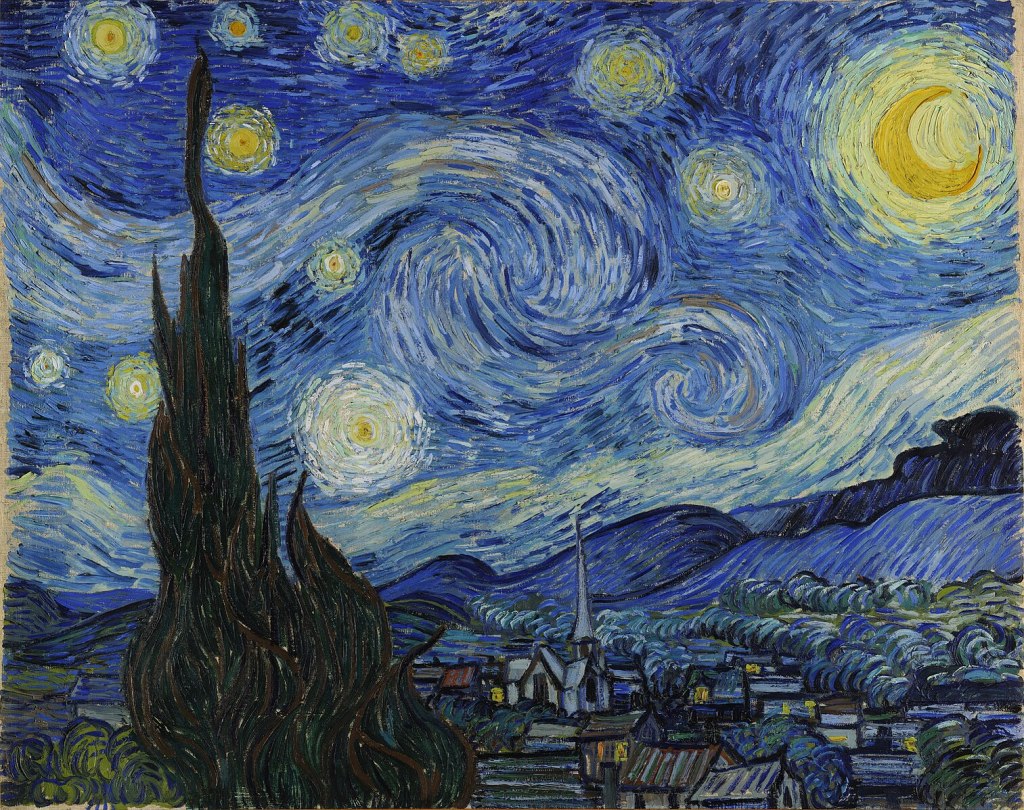
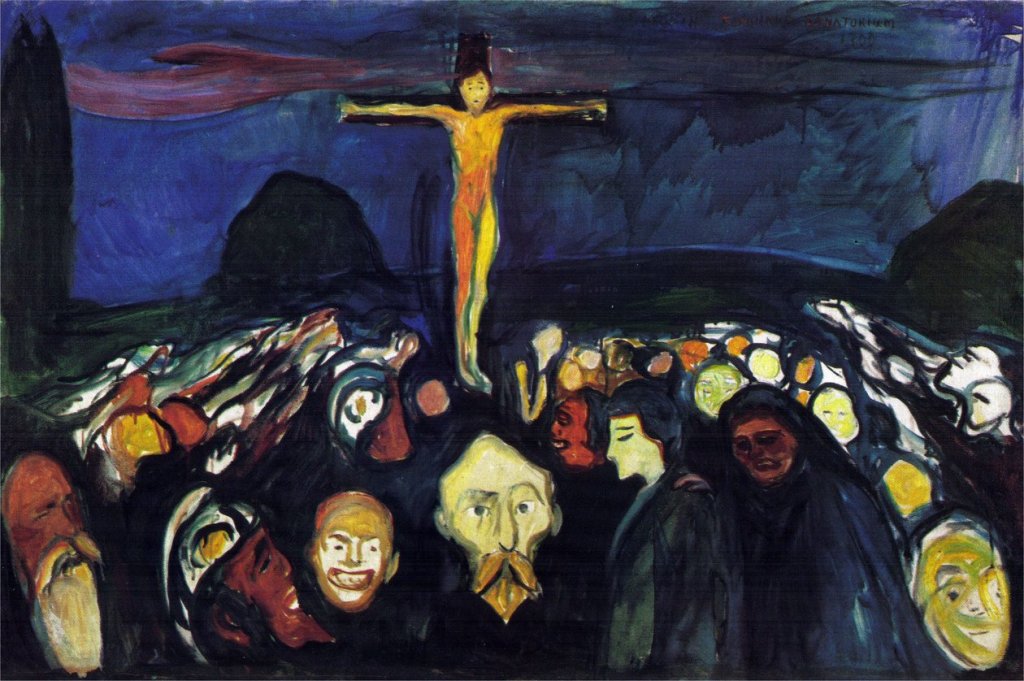
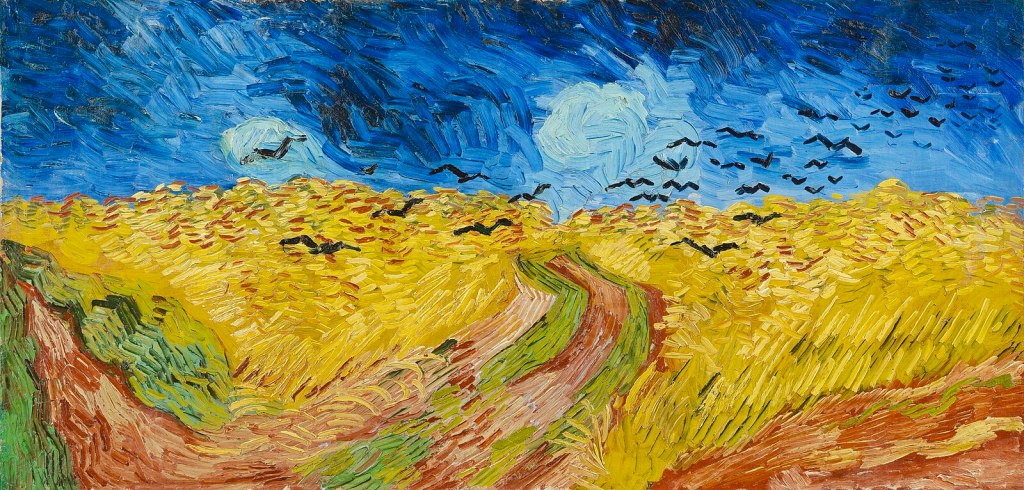
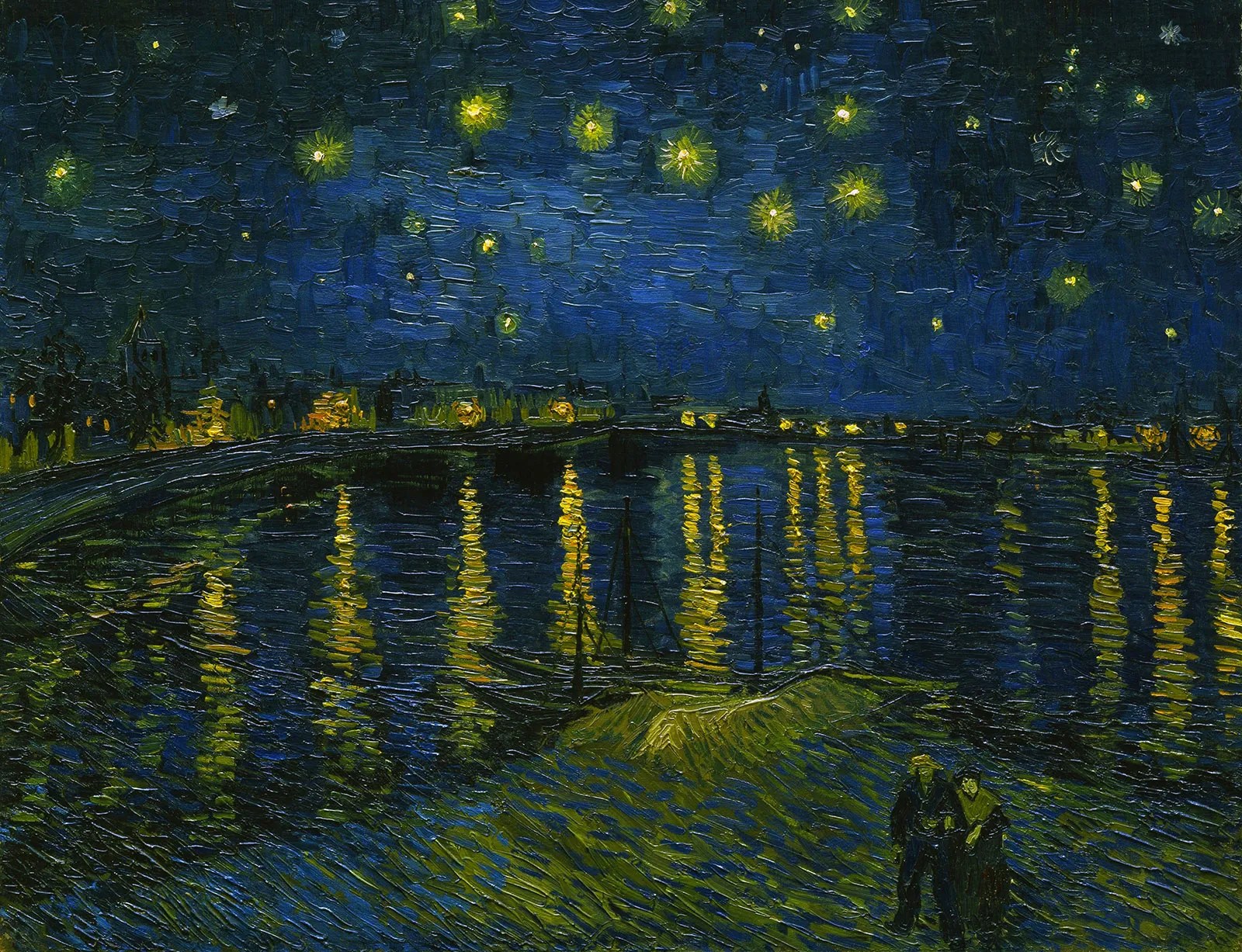
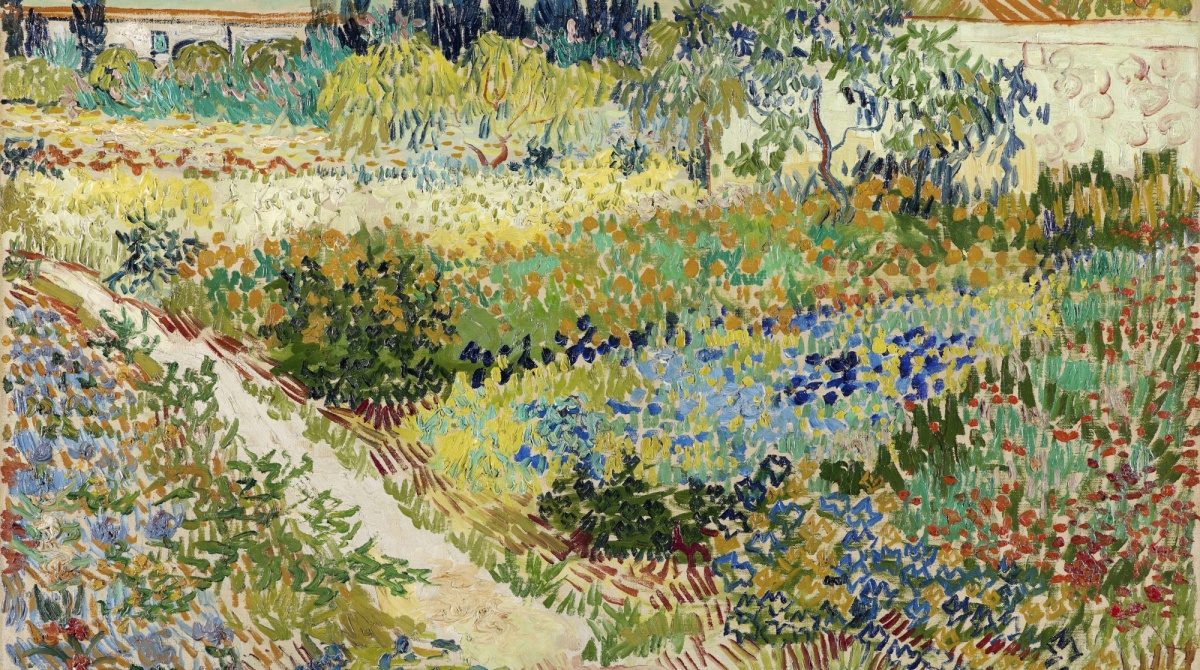
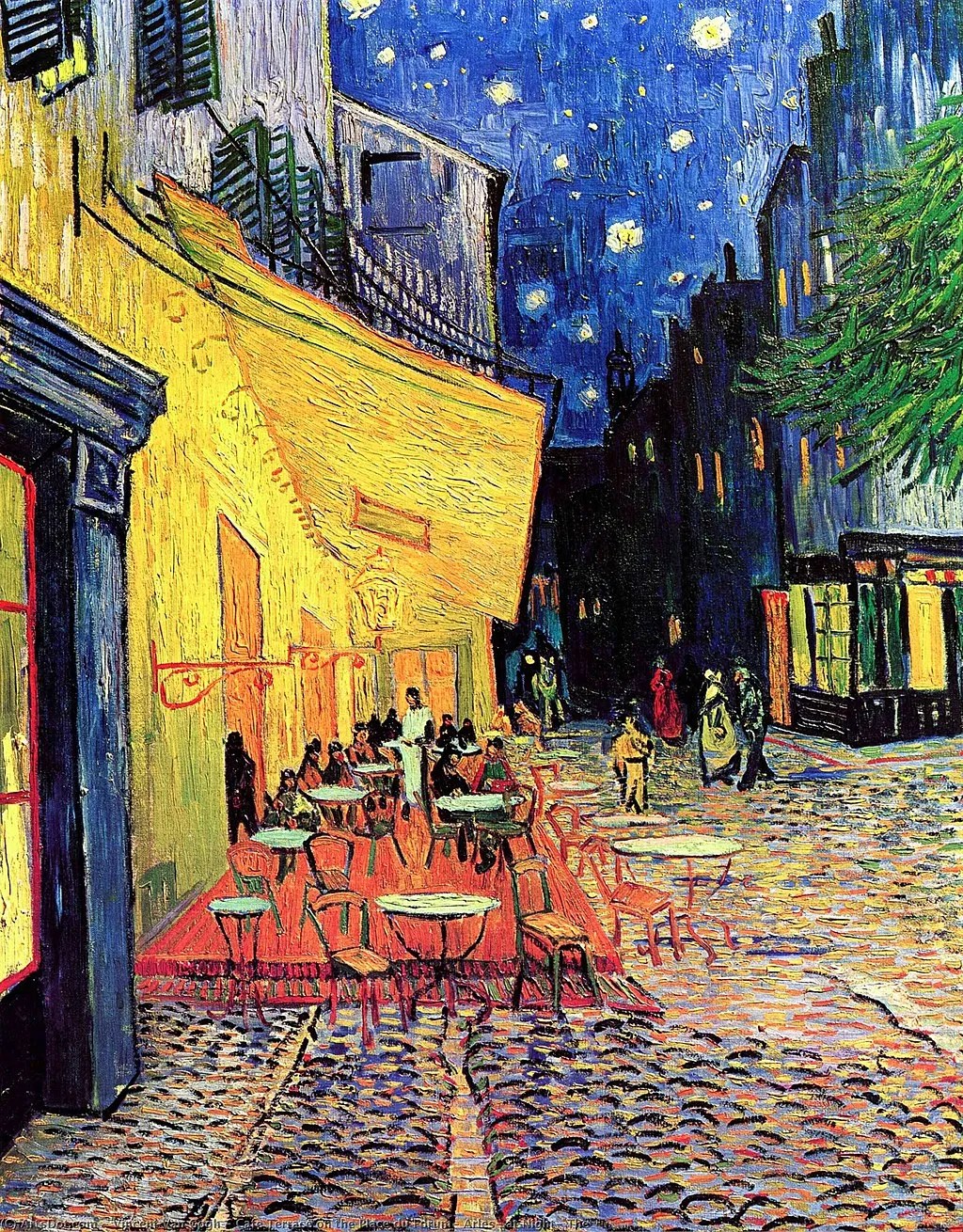
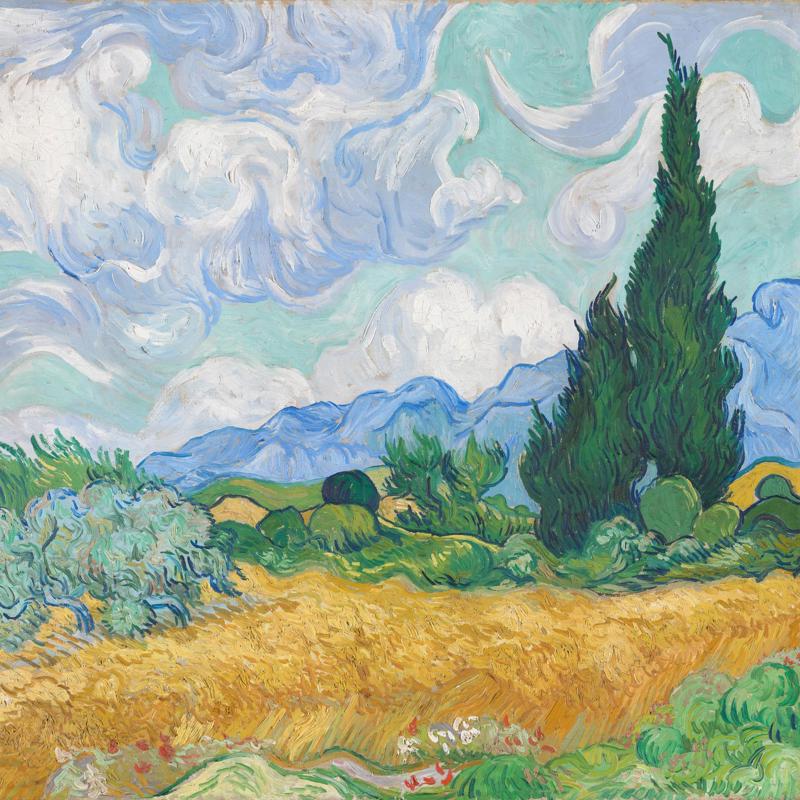
This contemporary understanding allows us to appreciate the achievements of artists like Van Gogh and Munch with greater nuance. Their work represents not symptoms of illness but extraordinary creative responses to profound human experiences, including suffering. Both artists developed distinctive visual languages that continue to resonate because they communicate universal emotional truths through highly personal expression. Their artistic innovations emerged not from uncontrolled madness but from disciplined creative practice sustained despite significant psychological challenges.
The evolution of our understanding about the “Mad Artist Paradox” ultimately leads to a more compassionate and accurate perspective. It acknowledges the genuine suffering experienced by many creative individuals while recognizing their work as achievement rather than symptom. As researcher Nancy Andreasen notes, “Instead of romanticizing mental illness, we should acknowledge the courage these artists show in turning their pain into beauty.” This perspective honors both the struggle and the achievement without diminishing either. In doing so, we move beyond simplistic stereotypes toward a deeper appreciation of human creativity in all its complex dimensions.
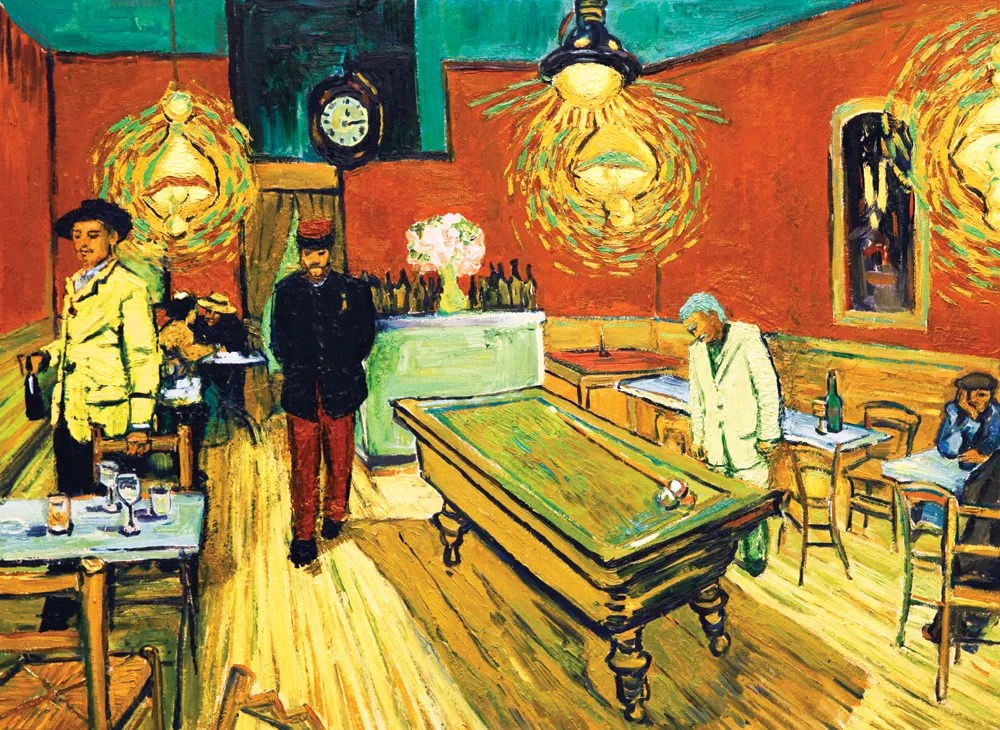
“Mad Genius” Artworks You May Want to Know
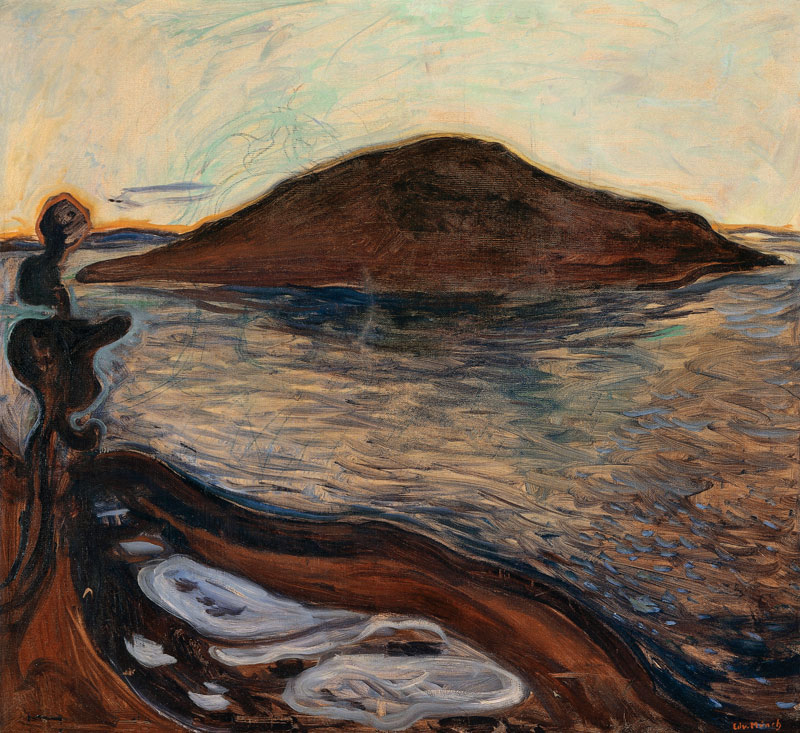
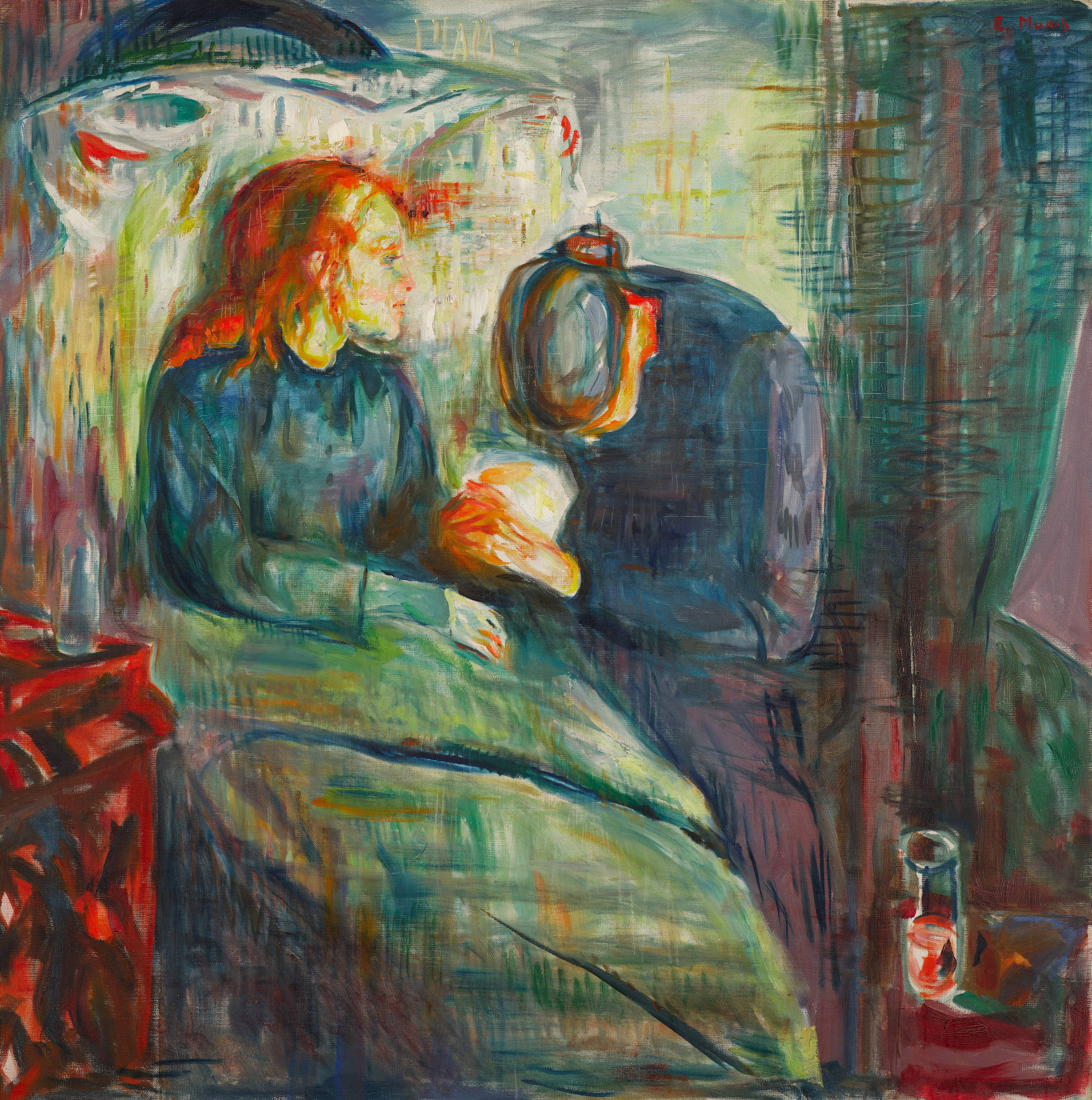
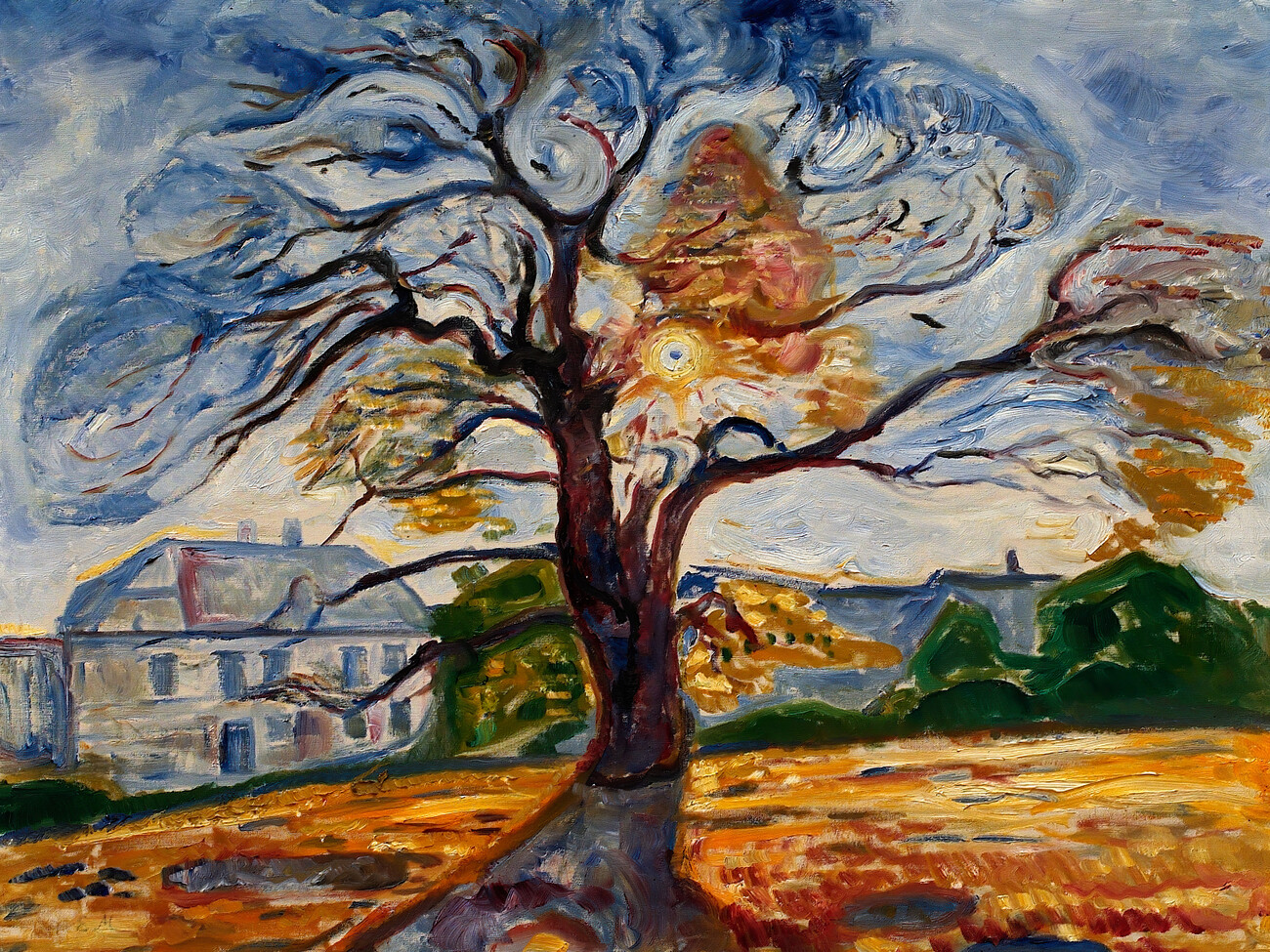
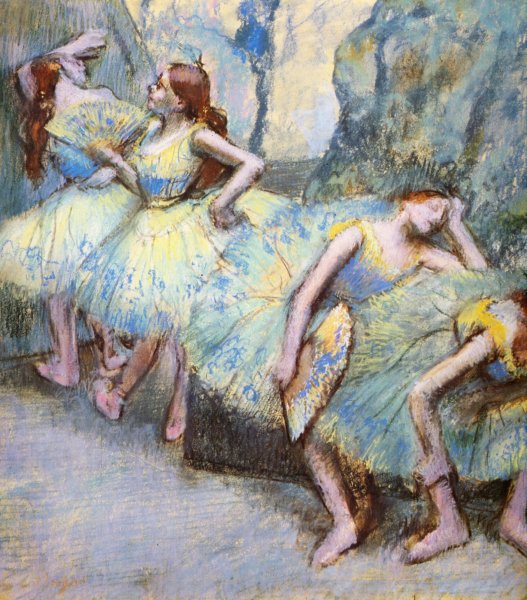

Continuous updating…
"The greatest works of human creativity exist
not despite our fractures,
but because we dare to shine light through them,
transforming shadows into illumination."
 The Evolution of the "Mad Artist"